Army of Shadow Rises to the Sound of Taepyeongso! On-Site Coverage of the Traditional Music Event for Solo Leveling: ARISE.
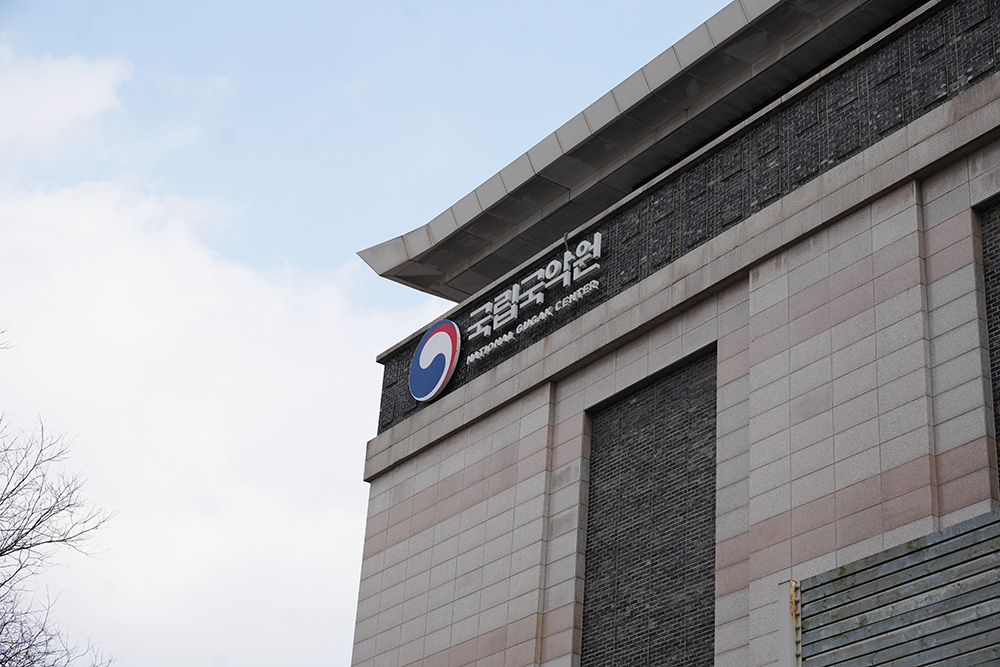 National Gugak Center: Preserving and Advancing Traditional Korean Music
The National Gugak Center is dedicated not only to preserving traditional Korean music but also to continuously developing it in line with contemporary trends. One of the key examples of this effort is the ‘Game Sound Series.’
Launched in 2024, the project aims to explore new possibilities for connecting gugak with K-content. Through this initiative, various game soundtracks are reinterpreted in traditional Korean musical styles and released on major music streaming platforms, showcasing fresh possibilities for cultural collaboration.
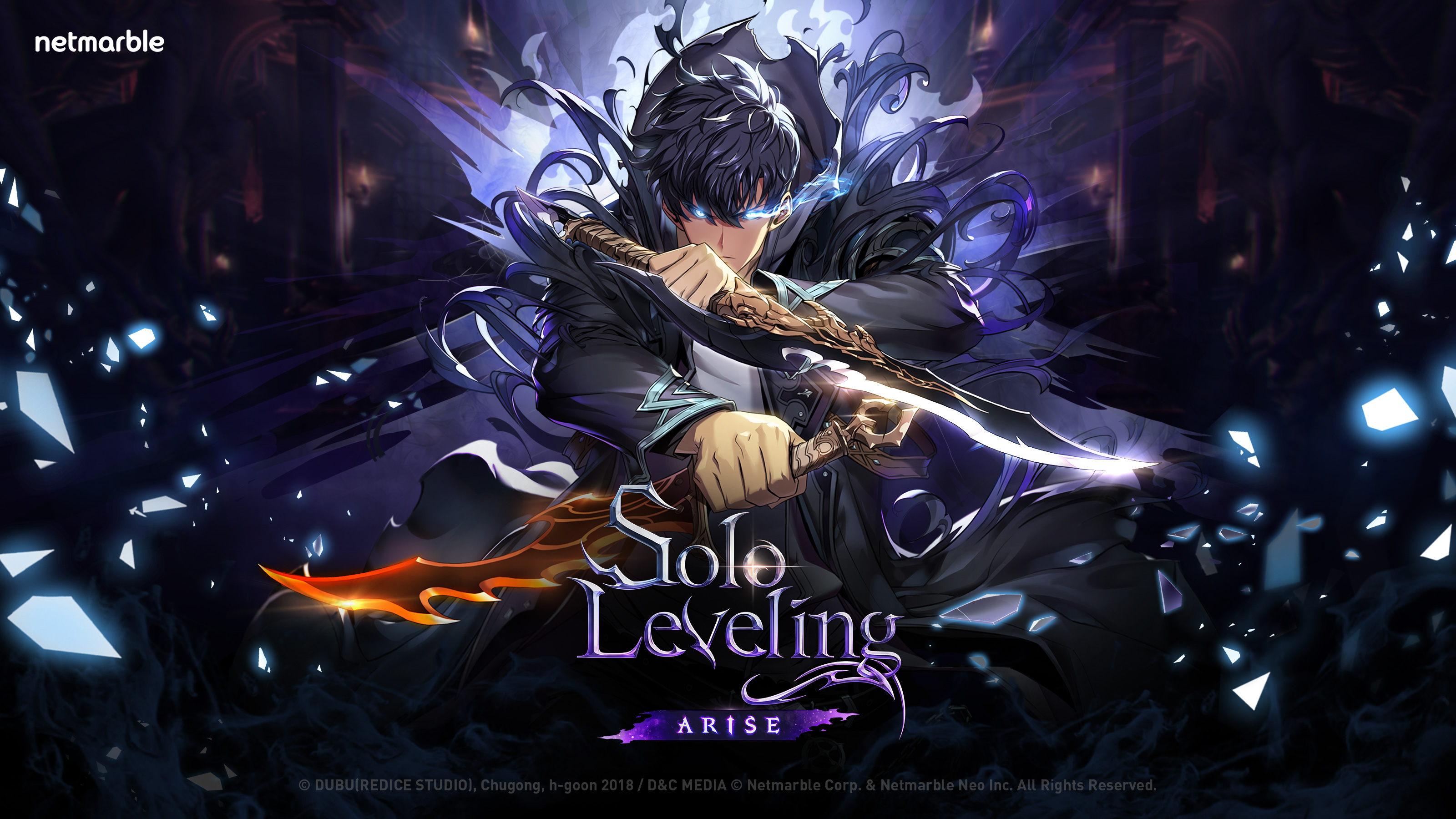 This edition of the Game Sound Series features music from a Netmarble title.
The action RPG Solo Leveling: ARISE was included in the project. The Solo Leveling IP has grown into one of the most prominent examples of K-content, achieving worldwide popularity across web novels, webtoons, animation, and gaming.
This collaboration with the National Gugak Center carries special significance, as it expands the connection between traditional music and modern digital content while creating new cultural synergy.
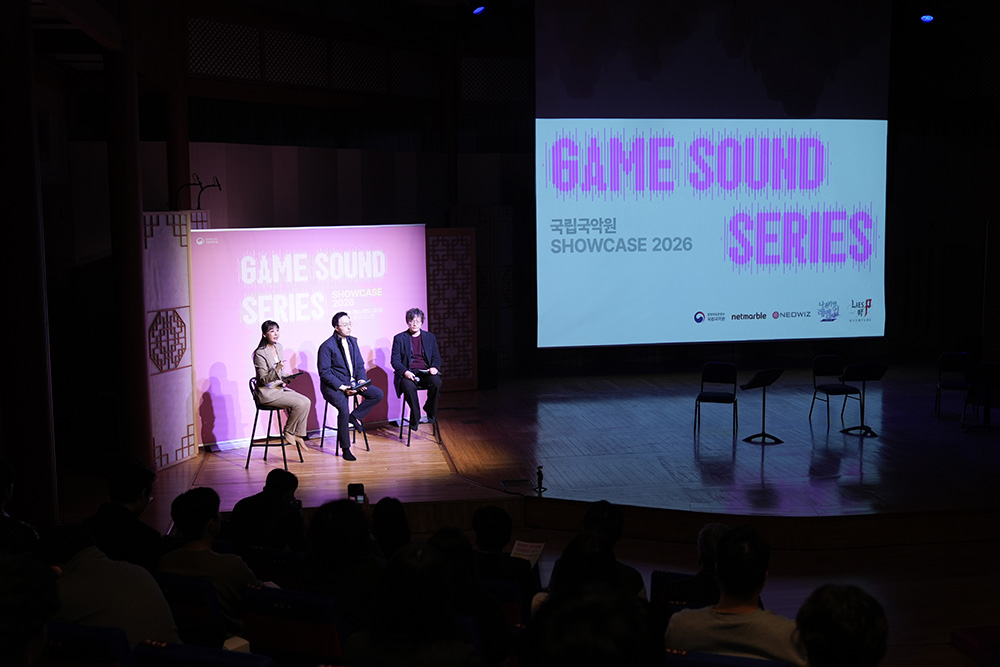 Game Sound Series Showcase
The Game Sound Series listening session for Solo Leveling: ARISE was held at the Pungnyu Sarangbang of the National Gugak Center.
To celebrate the album release, a special showcase was conducted featuring an introduction to the included tracks, followed by live performances by musicians from the Center’s creative traditional orchestra.

The showcase was hosted by game caster and announcer Jung So Rim, with panelists including Professor Jisoo Lee from Seoul National University and Music Director Yang Soungwhan.
Professor Lee specializes in Western music and has worked on numerous film and drama OST projects as a composer. Music Director Yang has built a career presenting works that bridge traditional Korean music, Western music, and contemporary composition.
The showcase highlighted the traditional reinterpretations of the Solo Leveling: ARISE OST. The album includes six tracks: “ARISE (Inst.),” “Monarch of White Flames Pt.2 (Baran’s Theme),” “Blood Red Commander (Igris’ Theme),” “Sunset Duel (Summer Battle Theme),” “Cave of Carnage,” and “Endless Desert.” Among them, four tracks were performed live at the event, allowing attendees to experience the reimagined soundtracks in traditional musical arrangements.
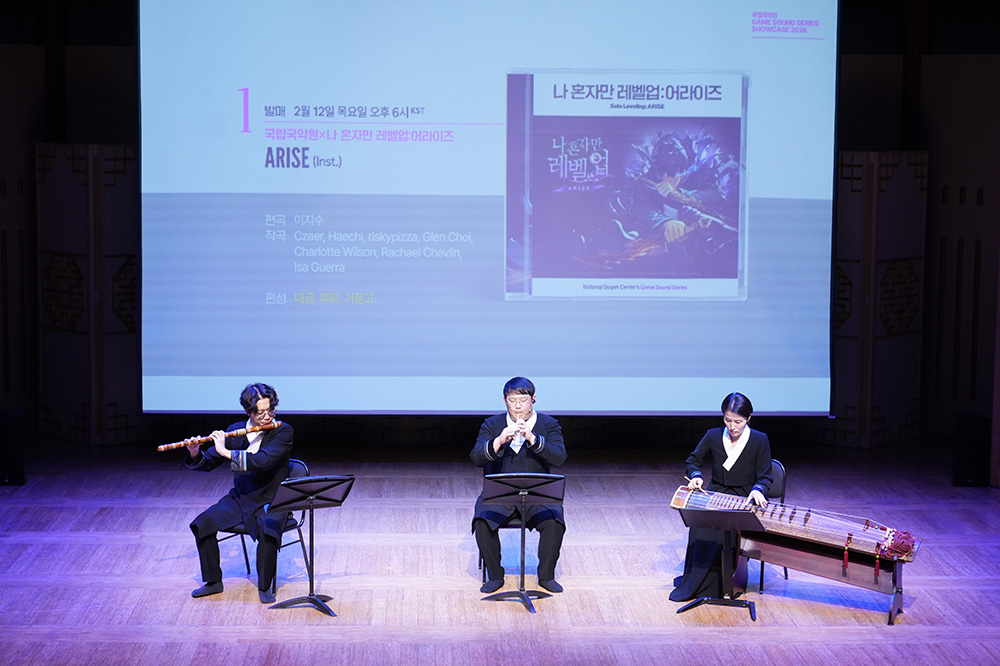 ARISE (Inst.)” Traditional Music Performance
 Professor Jisoo Lee Introducing the Arrangement Process Behind the Music
Although the original track is defined by its powerful and high-energy sound, Professor Jisoo Lee shared insights into the arrangement process:
“When translating the synth bass to the geomungo, we explored different approaches and drew inspiration from sanjo melodies. From that foundation, we built the bass line and layered the daegeum and piri on top to create a refined chamber music feel.”
Through this reinterpretation, the track was transformed into a traditional arrangement while maintaining the intensity of the original composition.
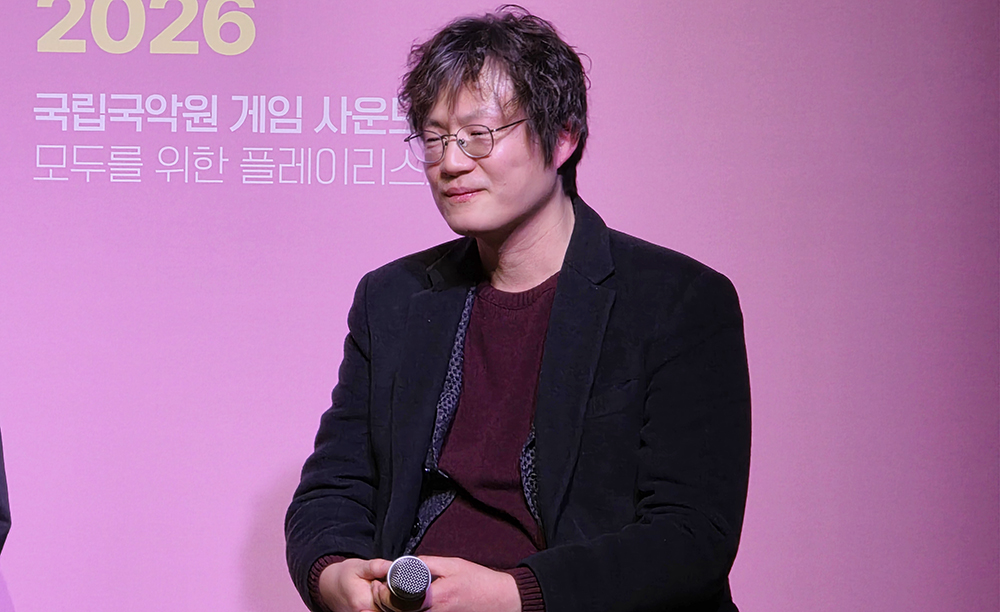
Music Director Yang Soungwhan
As a scholar of traditional Korean music, Yang noted that while the geomungo is often used to provide bass support, it was his first time seeing it utilized by adding interludes tailored to the jajinmori rhythm.
He further shared that the geomungo, created in the 5th century by the Goguryeo musician Wang San-ak, boasts a history of over 1,500 years. With humor, he remarked that if Wang San-ak were to see this ancient instrument expressing modern sensibilities today, he might “rise from his grave,” drawing laughter from the audience.
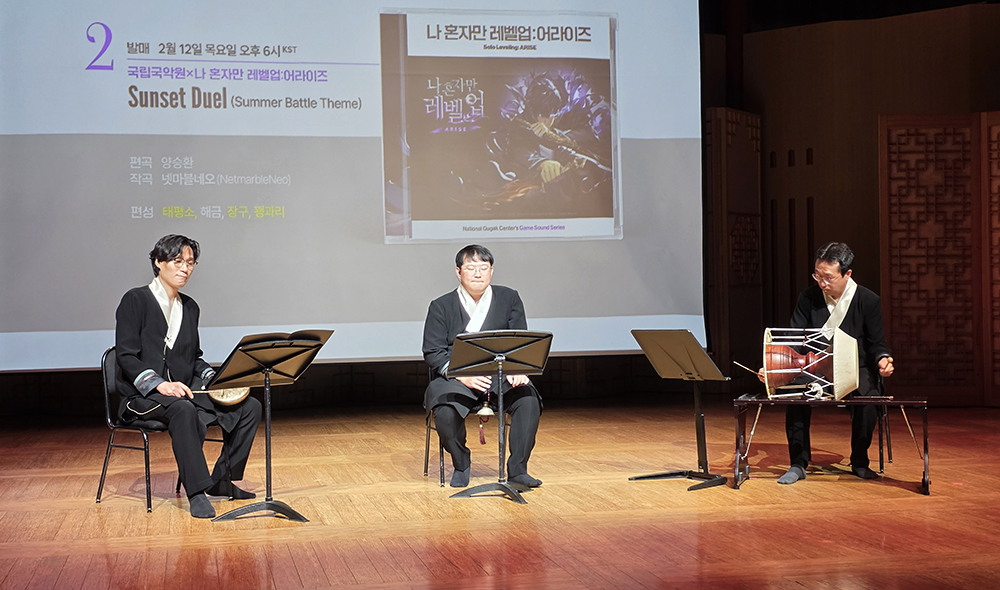
Sunset Duel (Summer Battle Theme)
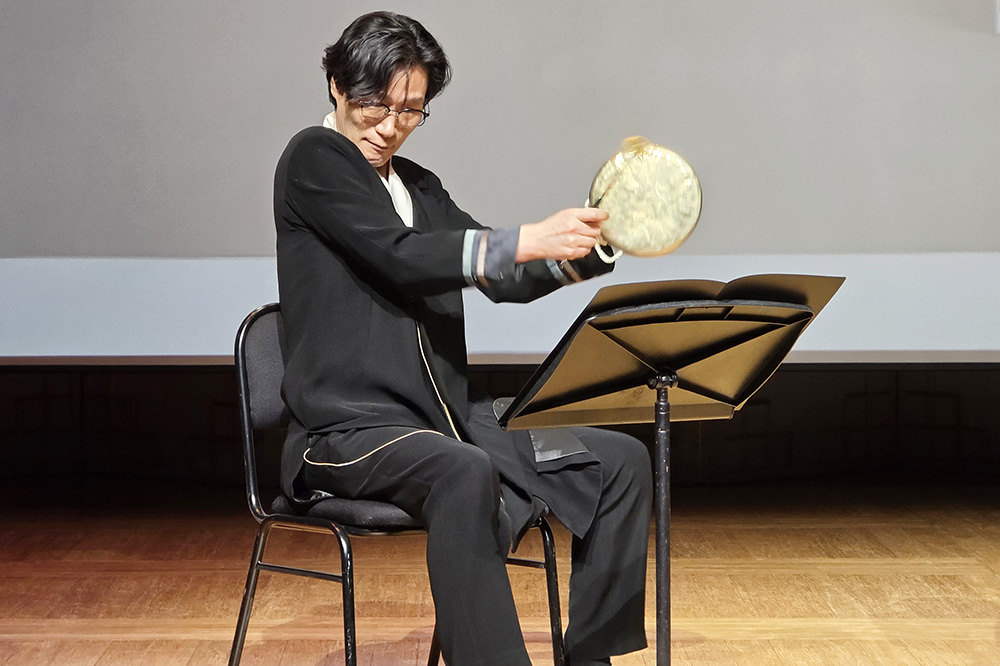
The second stage featured “Sunset Duel (Summer Battle Theme).” As the title suggests, the track is a battle theme set against a summer beach backdrop.
Music Director Yang Soungwhan, who arranged the piece, explained that he selected instruments with powerful and resonant sounds to match the intensity of the combat theme.
On stage, members of the creative traditional orchestra performed using instruments such as the kkwaenggwari, janggu, and taepyeongso, instruments that are also commonly used in the traditional military procession music daechwita.
As a result, the performance of “Sunset Duel (Summer Battle Theme)” embodied an energetic and spirited atmosphere, delivering a dynamic stage experience.
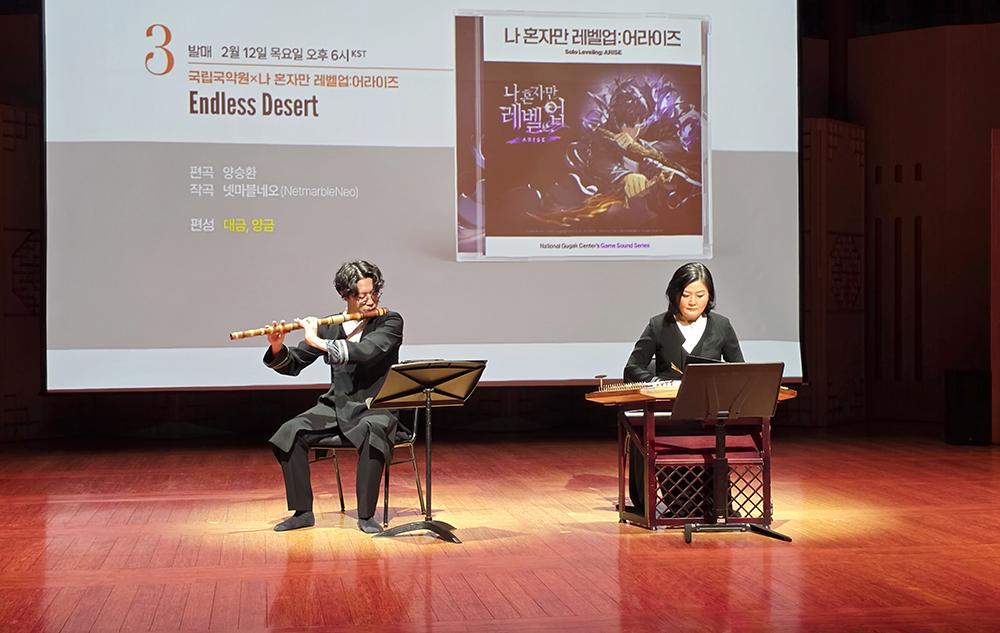
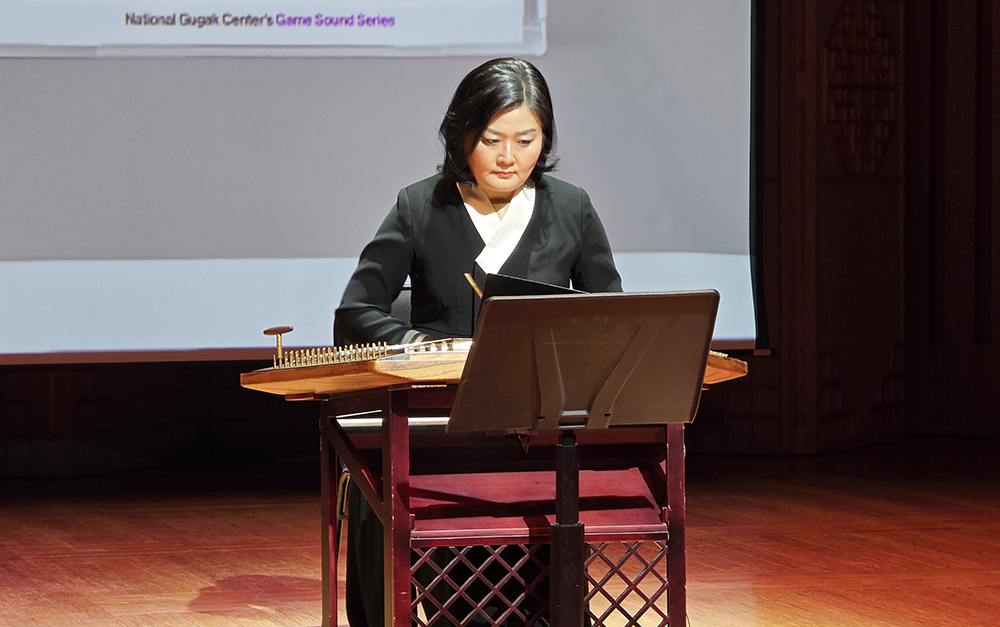
Endless Desert” was performed on the yanggeum
The next performance featured the desert-themed battle OST “Endless Desert.” As the track centers on a desert setting not commonly found in Korea, its melody naturally conveyed an exotic atmosphere. This mood was highlighted through the use of the traditional instrument yanggeum.
Music Director Yang Soungwhan explained that the yanggeum was incorporated into the arrangement to capture the atmosphere of the Middle East, where desert landscapes are a common part of everyday life.
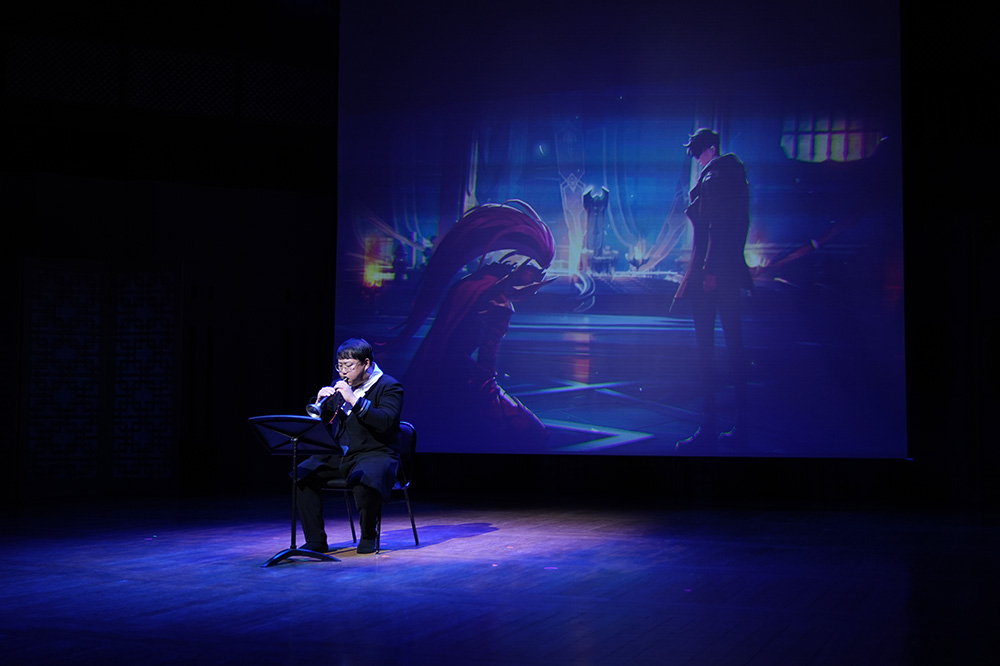
Blood Red Commander (The Igris’ Theme)
The final performance featured “Blood Red Commander (The Igris’ Theme),” one of the most significant scenes from Solo Leveling: ARISE.
In this key moment, the protagonist Sung Jinwoo defeats the Blood Red Commander Igris in battle and, for the first time as the Shadow Monarch, commands “Arise,” awakening his first shadow army.
During the performance, footage depicting the scene was projected onto a screen as a backdrop. Meanwhile, the sound of the taepyeongso performed by the musician filled the Pungnyu Sarangbang, creating an immersive atmosphere that brought the dramatic moment to life.
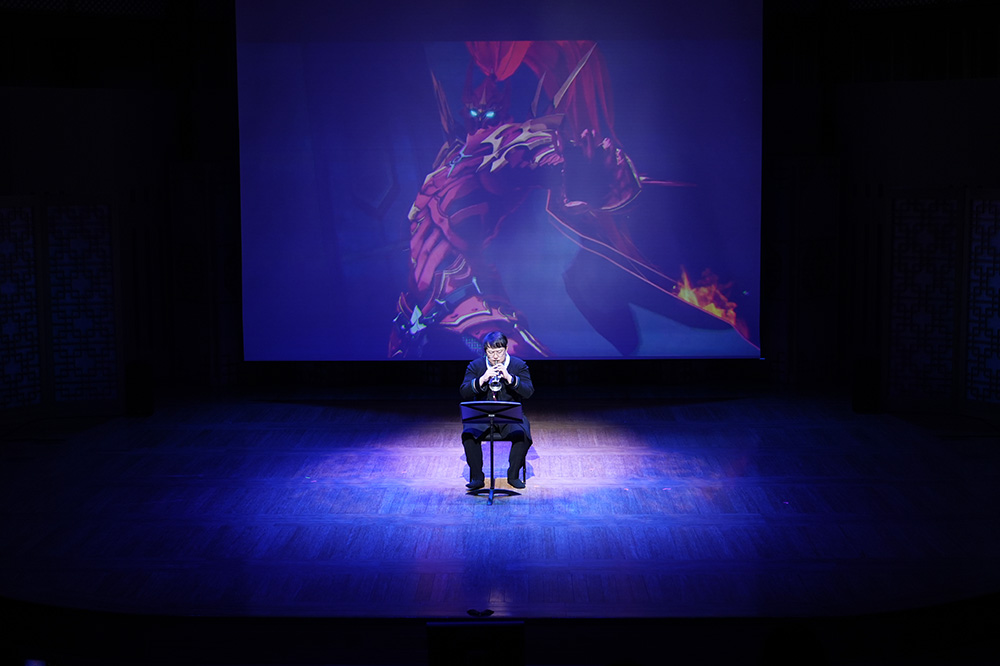 The taepyeongso performance, combined with powerful sound design,
delivered an overwhelming sense of immersion
Professor Lee Ji-soo, who arranged the piece, explained that while the trumpet is often the instrument that cuts through orchestral ensembles in Western music, the taepyeongso produces an even stronger and more penetrating sound.
He added that he had long wanted to incorporate the instrument into a concerto setting. After listening to the original track, he saw it as the perfect opportunity. Because the piece centers on battle scenes and embodies raw, primal energy, the taepyeongso fit naturally at the forefront of the arrangement.
Music Director Yang Soungwhan further noted that traditional taepyeongso performance techniques typically do not include semitone transitions. Producing semitones requires refined technical control from the performer. He emphasized that the taepyeongso musician executed these demanding techniques flawlessly.
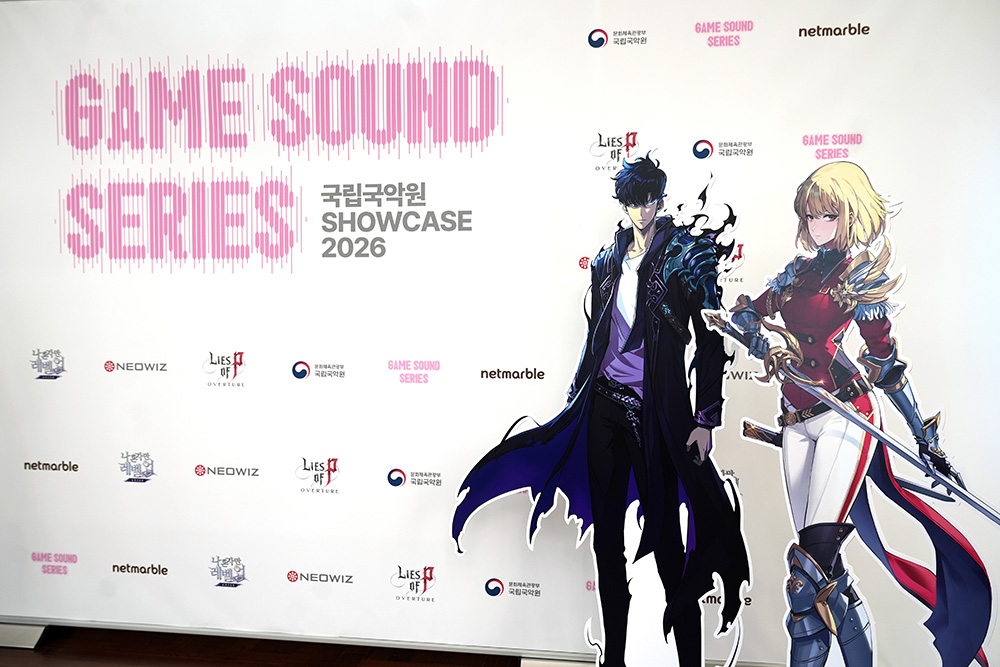
Throughout the performance, the rearranged pieces delivered a distinct mood and appeal shaped by the new genre interpretation and instrument configuration. At the same time, some tracks successfully preserved the speed and intensity of the original compositions.
By bridging traditional music and modern sound through this collaboration, the project highlighted new possibilities for the expansion of K-content.